The Central Coast of California—spanning Santa Barbara, and San Luis Obispo counties—has long balanced small-town charm with dynamic waves of economic change. As consumer behaviors continue shifting after the pandemic era, traditional retail storefronts and office buildings are facing new challenges: declining foot traffic, remote work permanency, and reduced demand for conventional commercial space. Yet where others see emptiness, forward-thinking developers and community leaders see opportunity. Adaptive reuse—the practice of converting underutilized buildings into new, revenue-generating assets—is now a central strategy revitalizing downtowns and diversifying local economies.
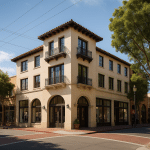
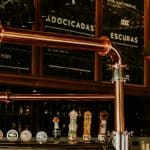
Unlike demolition and new construction, adaptive reuse preserves the cultural fabric of a community. On the Central Coast, this approach aligns with the region’s values of sustainability, heritage, and local identity. Historic storefronts in Paso Robles or downtown Ventura can be reimagined as craft breweries, co-working spaces, artisanal markets, or residential units—breathing life into spaces that once struggled to attract tenants. In doing so, these projects increase property values, boost tax revenue, and provide tangible community amenities.
One of the most compelling drivers of adaptive reuse is the dramatic shift in how people live and work. Remote and hybrid models have reduced demand for traditional office space, particularly larger single-tenant buildings. Meanwhile, e-commerce growth has diminished the need for conventional retail footprints. This divergence has left many owners grappling with vacancies and stagnant rents. Adaptive reuse offers a creative solution: repurpose these properties for uses that reflect contemporary needs, such as flexible work hubs, live-work units, boutique hospitality, or specialized entertainment venues.
A key advantage of adaptive reuse on the Central Coast is its inherent cost efficiency. Retrofitting existing structures often costs significantly less than new builds, especially when accounting for land acquisition, infrastructure, and permitting. Additionally, many local governments offer incentives—such as tax credits, expedited permitting, or density bonuses—to encourage redevelopment that benefits communities economically and socially. For investors and small developers, these incentives improve return on investment while fostering placemaking that resonates with residents and tourists alike.
Beyond financial calculus, adaptive reuse contributes to environmental sustainability. Reutilizing existing buildings reduces construction waste and the carbon emissions associated with new materials. For a region celebrated for its scenic beauty and agricultural roots, minimizing environmental impact enhances long-term livability and aligns economic growth with conservation goals.
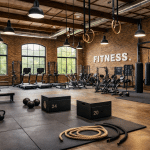
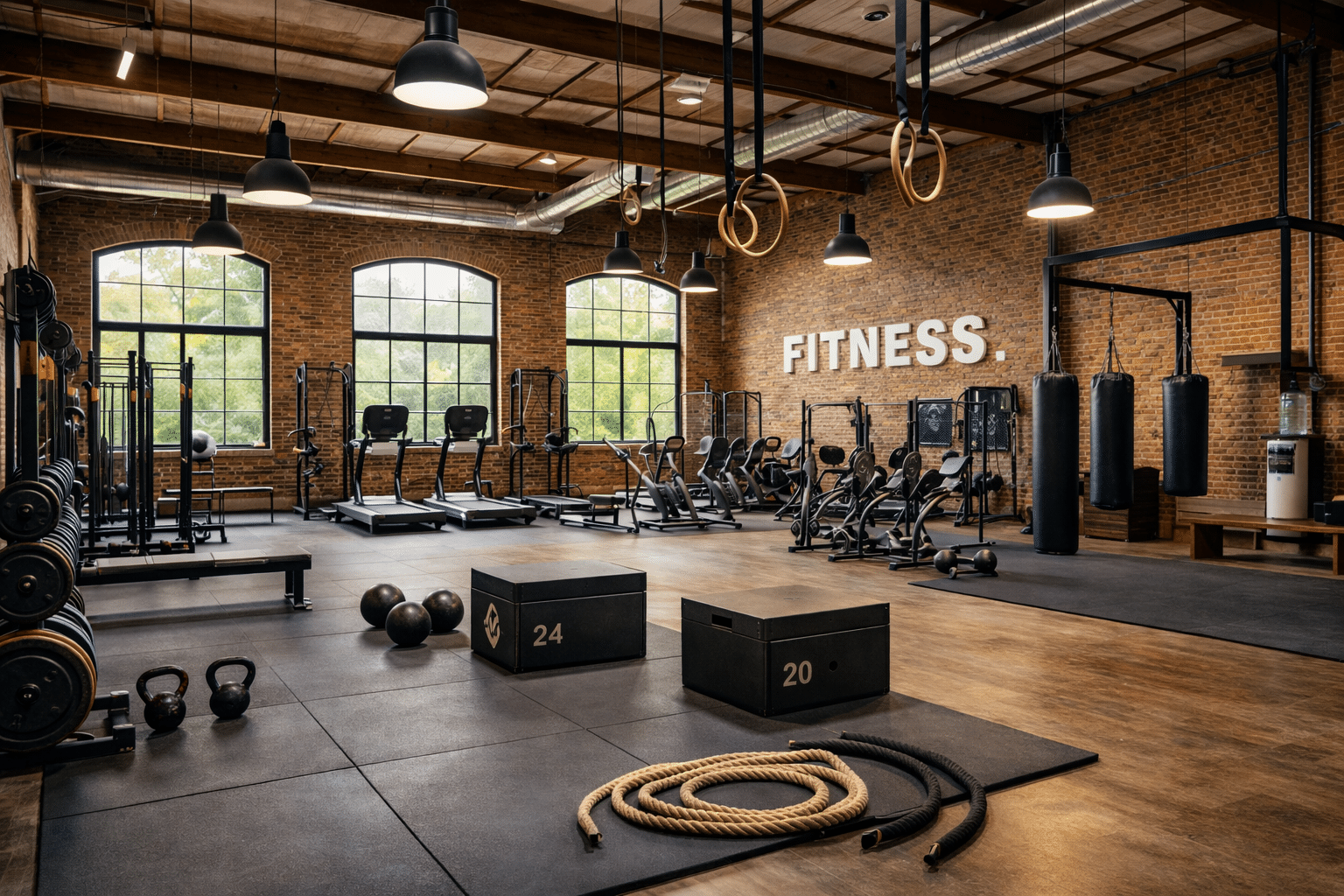
Concrete examples of adaptive reuse success abound across the Central Coast. Old department store shells and shuttered malls have been transformed into mixed-use destinations anchored by eateries, boutique fitness studios, and shared workspaces. Vacant offices have become creative arts incubators, tech hubs, and affordable housing units. Each project demonstrates how flexibility in zoning and collaboration between property owners, city planners, and community stakeholders can revitalize underperforming assets into catalysts for local prosperity.
Adaptive reuse also strengthens Central Coast resilience in the face of economic cycles. By diversifying property types and uses, cities are less vulnerable to shocks in any single commercial sector. A blend of residential, retail, and experiential destinations attracts a wider range of visitors and residents, stabilizing year-round economic activity.
In 2026, adaptive reuse is more than a trend on the Central Coast—it’s a pragmatic strategy for generating revenue from the buildings that define our towns and cities. By embracing creative transformations that respond to contemporary lifestyles and market demand, communities can preserve their character while building vibrant, economically sustainable futures.
Questions about transforming your project into a revenue generator, contact the team at Gen3!